
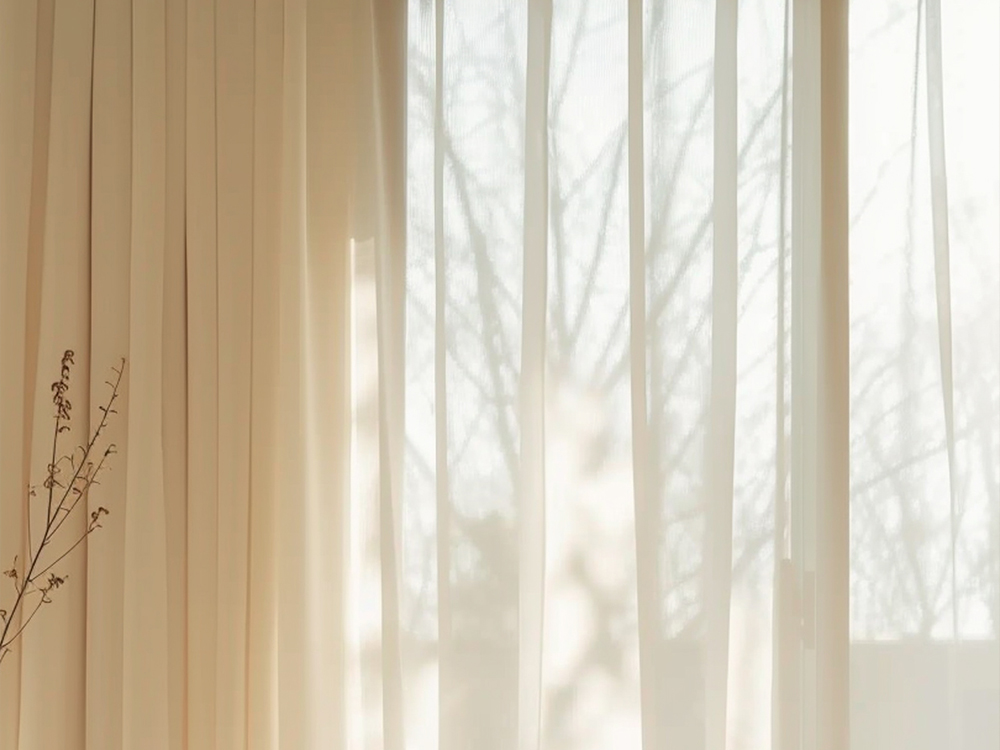
**How Curtains & Drapes Coordinate Home Decor Textiles for Unified Style**
**Abstract:**
Discover how curtains, drapes, and home decor textiles work together to create a harmonious, coordinated style for a beautiful, unified interior.
---
### I. Introduction
A thoughtfully designed home is more than just a collection of stylish pieces—it’s a seamless symphony of color, texture, and pattern that brings comfort and visual harmony. Cohesive home decor, where each element interacts gracefully with the next, is the key to transforming your living space from ordinary to extraordinary.
Among the most impactful artifacts in shaping this harmony are curtains and drapes. Beyond their practical functions—like controlling light and protecting privacy—these window treatments have the unique ability to anchor a room’s atmosphere. They act as essential links in the larger tapestry of textiles, helping to bind together upholstery, rugs, cushions, and throws.
This blog explores how curtains and drapes don’t just complete a room but also unify and elevate every textile element for lasting style and cohesion.
---
### II. The Foundations of a Unified Decor Scheme
#### A. Defining “Unified Style” in Home Interiors
A unified style isn’t about creating a monotonous or overly matched environment. Rather, it’s about achieving visual flow—a sense that all the elements in your space 'belong' together. This unity can be quiet and understated or bold and expressive, depending on your personal taste.
#### B. The Power of Textiles in Achieving Cohesion
Textiles are the connective tissue of interior design. From curtains to couches, and from rugs to throws, these soft surfaces introduce color, texture, and tactile comfort. Properly coordinated, they weave together disparate pieces, making design choices appear deliberate and harmonious.
#### C. Overview of Key Textile Elements
- **Curtains and Drapes:** Act as dramatic or subtle statements framing windows.
- **Upholstery:** Covers sofas and chairs, setting a tone for color and texture.
- **Cushions & Throws:** Add layers, softness, and pops of pattern or hue.
- **Rugs:** Ground the room and may establish the main color palette.
---
### III. Choosing Curtain & Drape Fabrics that Complement Your Decor
#### A. Assessing Existing Color Palettes
Start by evaluating your room’s core colors. Are your walls neutral or colorful? Does your furniture lean toward bold or subdued tones? Your choice of curtain or drape fabric should either echo or artfully contrast these hues. For instance, soft beige curtains can calm a vibrant space, while deep emerald drapes might add a regal touch to muted interiors.
#### B. Selecting Textures That Echo or Contrast
Texture plays as crucial a role as color in achieving unity. Pair silky drapes with velvet cushions for richness or linen curtains with cotton slipcovers for relaxed elegance. Mixing textures preserves interest while echoing a cohesive mood—think cozy, luxurious, or modern.
#### C. Patterns and Prints: Harmony Through Matching, Layering, or Mixing
Patterned textiles can unify or disrupt a space. To build harmony, you might:
- **Match patterns:** Repeat a floral motif in both curtains and an accent pillow.
- **Layer different scales:** Combine large-scale printed drapes with smaller geometric patterns on cushions.
- **Mix patterns with restraint:** Use a unifying color palette to prevent visual chaos.
#### D. Balancing Bold and Subtle Choices
Strong colors or patterns require careful placement. If your curtains are a statement piece, balance them with understated upholstery or simple rug designs. Conversely, subtle drapes allow other textiles, such as a vividly patterned sofa, to shine.
---
### IV. Coordinating With Other Key Home Textiles
#### A. Upholstery and Curtains: Matching and Complementary Approaches
Upholstery and drapes need not be identical but should reflect a thoughtful relationship. Complement feather-light sheer curtains with heavier textured sofas. Alternatively, repeat upholstery colors in curtain trims for a tailored finish.
#### B. Pillows, Throws & Rugs: Repeating Motifs and Colors
Take cues from your curtains when selecting decorative pillows, throws, or area rugs. Echo curtain tones with rug detailing or repeat a motif – such as stripes or botanicals – across different surfaces for a subtle thread of unity.
#### C. The Role of Trims, Tiebacks, and Accessories
Small details like tassel tiebacks, decorative trims, or coordinated curtain rods can reinforce cohesion. Choose metallic finishes or fabric accents that mirror other elements in the room for a polished look.
---
### V. Practical Tips for Achieving a Unified Look
#### A. Creating Mood Boards with Fabric Swatches
Before making final picks, gather samples of your curtain/drape fabrics, upholstery, and other textiles. Lay them together to see how colors and textures interact, ensuring your choices work in harmony.
#### B. Considering Lighting and Its Effect on Fabrics
Fabric colors and sheens can shift dramatically under different lighting. Curtains near large windows may appear lighter during the day and richer at night, so check swatches in both natural and artificial light.
#### C. Common Pitfalls to Avoid
- **Over-matching:** Rooms devoid of variation can feel flat.
- **Clashing patterns:** Too many conflicting designs can overwhelm the senses.
Aim for a blend of unity and variety, using unifying colors or styles to keep the look consistent.
#### D. Involving Personal Style for Authentic Coordination
Don’t simply follow trends—infuse your personality. If you love bold prints, balance with neutral counterparts. Collections of family textiles or travel treasures can also be integrated with chosen fabrics for a truly personal space.
---
### VI. Real-Life Inspiration and Trends
#### A. Popular Curtain-Textile Combinations in Modern Homes
- **Monochromatic Layers:** Pairing ivory linen drapes with similar-toned velvet sofas and chunky wool rugs for depth within a color family.
- **Botanical Pairings:** Sheer, leaf-printed drapes with green accent cushions and natural jute rugs create a restful, organic ambiance.
#### B. Seasonal Switching: Adapting Textiles Year-Round
Switch heavier velvet drapes for breezy linen panels in summer, or introduce warm-hued throws and curtain tiebacks for a cozy winter look. Seasonal tweaks keep your decor dynamic and fresh.
#### C. Sustainable and Versatile Fabric Choices
Eco-friendly, high-quality natural fibers—like organic cotton, linen, and bamboo—are trending for their durability, subtle beauty, and environmental benefits. Choosing such fabrics ensures longevity and allows for effortless restyling as trends evolve.
---
### VII. Conclusion
Curtains and drapes do so much more than frame a window: they’re linchpins in the overall design story of your home. When thoughtfully coordinated with other textiles, they ensure each decor element sings in harmony, creating inviting and inspiring spaces.
Embrace the process of coordinating home textiles, experiment with color and texture, and let your personality shine through. A unified home isn’t about rigid rules—it’s about curating a space that feels seamless, beautiful, and uniquely yours.
Ready to redefine your home? Start with the textiles—especially your curtains and drapes—and watch your space unite in effortless style.